)
)
)
Five key trends shaping UK hospitality in 2026
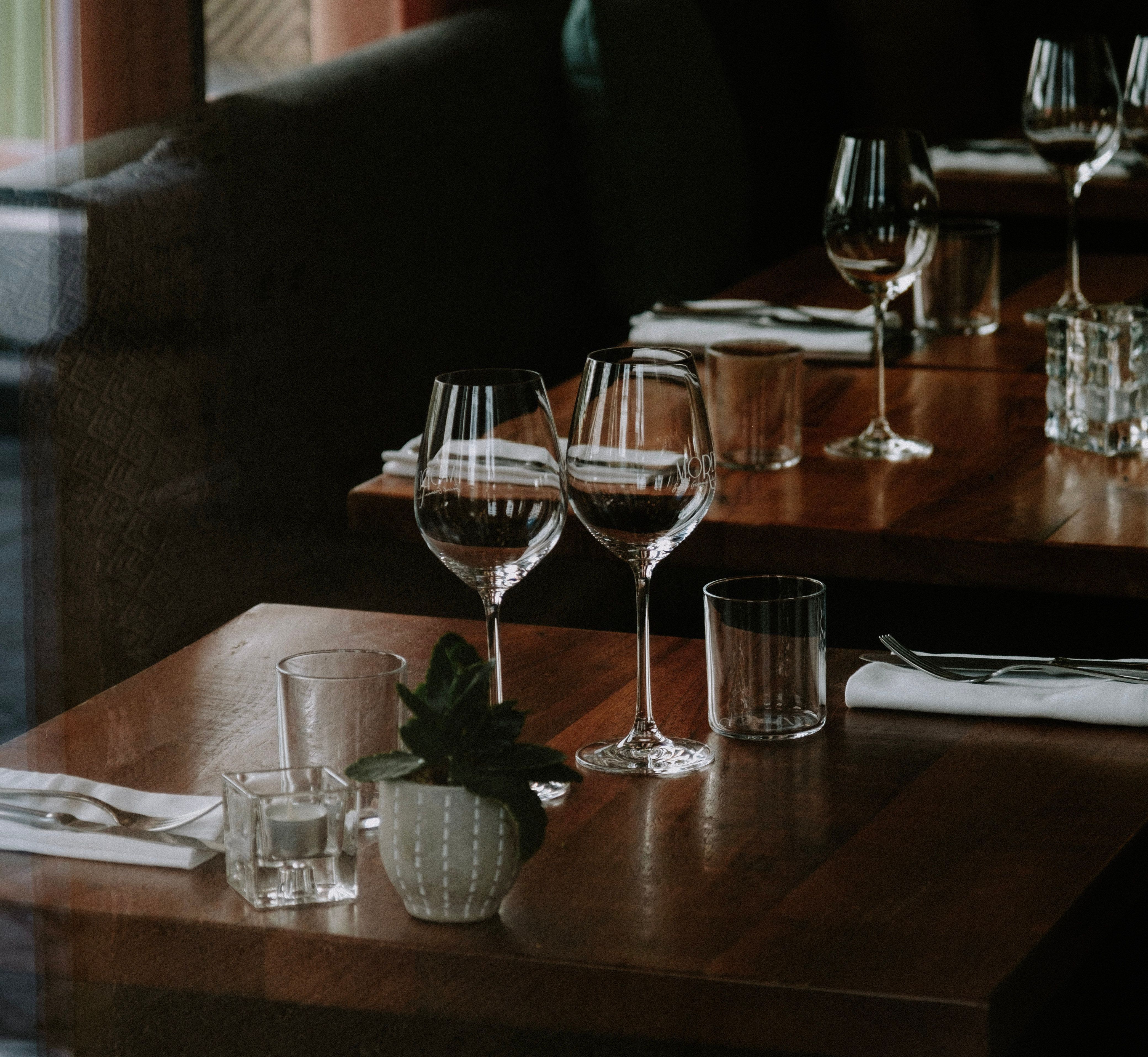
From changing dining occasions to the continued rise of alcohol-free drinks, the UK hospitality market is evolving rapidly in 2026. Consumers remain eager to eat and drink out, but operators are having to work harder to demonstrate value, control costs and provide experiences that cannot easily be replicated at home.
Here are five of the most significant trends shaping the market and what they mean for hospitality operators, caterers and suppliers.
1. Value matters, but cheaper does not always mean better
Value for money remains one of the defining themes of 2026. However, consumers are not necessarily searching for the lowest possible price. They are becoming more selective about when and where they spend.
Lumina Intelligence’s UK Eating Out Market Report 2026 describes a market increasingly shaped by value-led decision-making alongside demand for quality, health and more purposeful occasions. Its consumer data shows that the average spend on family dining occasions increased by 3.7% year-on-year to £24.03, even as participation declined slightly.
Almost 44% of family occasions involved a promotion or offer, demonstrating the importance of providing a clear value proposition. Bundled menus, family deals, loyalty rewards and carefully targeted promotions can all help operators reassure customers without becoming dependent on blanket discounting.
The strongest propositions increasingly combine affordability with something distinctive, whether that is excellent service, generous portions, British provenance or a signature product customers cannot find elsewhere.
2. Brunch, lunch and flexible formats are gaining ground

Traditional lunch and dinner remain central to hospitality, but the boundaries between day parts are becoming increasingly blurred.
Lumina Intelligence found that lunch accounted for 29.3% of eating and drinking out occasions in the 52 weeks to April 2026. Brunch represented a smaller 4.9%, but its share has risen consistently from 4.3% in 2024. Participation in brunch increased by 0.7 percentage points over the same two-year period, compared with growth of 1.4 percentage points for lunch.
The research also identifies coffee shops, cafés, bakeries, fast-food businesses and travel locations as key drivers of outlet and value growth. These formats are well positioned to capture customers looking for speed, flexibility and accessible pricing.
For operators, this creates opportunities to make venues work harder throughout the day. A restaurant can become a workspace or meeting point in the morning, serve a focused lunch menu, and transition into a drinks and dining destination in the evening. Caterers can similarly develop offers around grazing, snacking and flexible meal times rather than relying solely on conventional breakfast and lunch services.
The operators best placed to benefit will be those that adapt their food, service style and atmosphere for different occasions without losing a clear overall identity.
3. Alcohol-free has become an all-year-round expectation
Alcohol-free drinks are no longer confined to Dry January. They have become a permanent part of the UK on-trade, with customers expecting genuine choice rather than a single bottled beer or standard soft drink.
Research from KAM and Everleaf found that 96% of the venues audited in 2026 stocked alcohol-free bottled beer, while 70% offered alcohol-free spirits, up from 47% in 2024. The availability of alcohol-free cider increased from 33% to 55%, and alcohol-free wine from 17% to 26%.
The number of alcohol-free cocktails is increasing too. Venues offered an average of 3.2 alcohol-free cocktails in 2026, compared with 1.9 two years earlier. However, 28% still offered none.
Visibility remains an important challenge. While 73% of venues made alcohol-free beer clearly visible at the bar, this fell to 58% for spirits and 35% for wine. Some operators may already have the products customers want but are failing to communicate the offer effectively.
Alcohol-free drinks should be treated as a profitable menu category rather than an afterthought. Premium presentation, staff recommendations and clearly displayed options can help operators increase spend while making venues more inclusive for mixed drinking groups.
4. Contract catering is outperforming the wider market

Contract catering has emerged as one of hospitality’s strongest-performing channels in 2026.
The latest Contract Catering Tracker from CGA by NIQ and Bidfood recorded a 9.3% year-on-year increase in sales during the second quarter of 2026. Growth has now been recorded in every quarter since the tracker began in 2022.
Part of this momentum reflects the changing role of catering in workplaces, education, healthcare and leisure settings. Food and drink are increasingly being used to improve employee wellbeing, support workplace culture and encourage people to spend more time in shared environments.
Expectations are also becoming closer to those found on the high street. Customers want recognisable brands, quality coffee, global flavours, healthy options and flexible food-to-go alongside traditional canteen meals.
For contract caterers, the opportunity lies in combining operational scale with the variety and responsiveness associated with consumer-facing hospitality. For restaurant and café brands, partnerships, concessions and licensing agreements may offer new routes into workplaces, travel hubs and other institutional settings.
5. Technology investment is shifting towards measurable efficiency
Artificial intelligence, automation and digitalisation are moving from experimentation to practical application. With margins under pressure, operators increasingly want technology that can reduce waste, improve forecasting, optimise labour or make service more efficient.
According to the Office for National Statistics, 29% of UK businesses with ten or more employees were using at least one form of AI technology in June 2026, up eight percentage points from the previous year. Among businesses employing at least 250 people, adoption had reached 49%.
This investment is taking place against a difficult cost backdrop. In June, 88% of accommodation and foodservice businesses expressed concern about energy prices, the highest proportion of any industry covered by the ONS survey.
Separate research conducted for leading hospitality trade bodies found that April’s cost increases would cause 64% of hospitality businesses to cut jobs, 51% to cancel investment and 42% to reduce trading hours.
Technology therefore needs to solve clearly defined operational problems. Demand forecasting can support more accurate purchasing and staffing, while connected kitchen equipment can track energy consumption. Digital ordering and payment can remove friction at busy periods, and AI-assisted administrative tools can give managers more time to focus on teams and guests.
The objective is not to remove hospitality’s human element. It is to automate repetitive tasks and give employees better information, allowing them to deliver stronger service.
The picture emerging in 2026 is not one of consumers abandoning hospitality. Instead, customers are becoming more deliberate about the occasions, venues and experiences they choose.
Operators that communicate value clearly, respond to changing day parts, improve their alcohol-free offer and use technology intelligently will be better equipped to compete. At the same time, continued growth in contract catering demonstrates that significant opportunities remain beyond traditional restaurants, pubs and bars.
HRC, part of Food, Drink & Hospitality Week, returns to Excel London on 5–7 April 2027, bringing together hospitality operators, caterers and suppliers to explore the products, partnerships and ideas shaping the sector’s future. Subscribe to our newsletter to have monthly insights, trends reports and interviews delivered directly to your inbox.
)
)
)
)
)
)
)
)
)
)
)
)
)
)
)
)
)
)
)
)
)
)
)
)
)
)
)
)

)
)
)
)
)
)
)
)
)
)
)
)
)
)
)
)
)
)
)
)
)

)
)
)
)