)
)
)
How efficient is hospitality? New data from Hospitality Energy Saving reveals all
Hospitality Energy Saving (Stand S2048) will be joining HRC 2026 as an exhibitor, and they’ve arrived with some must-read insight.
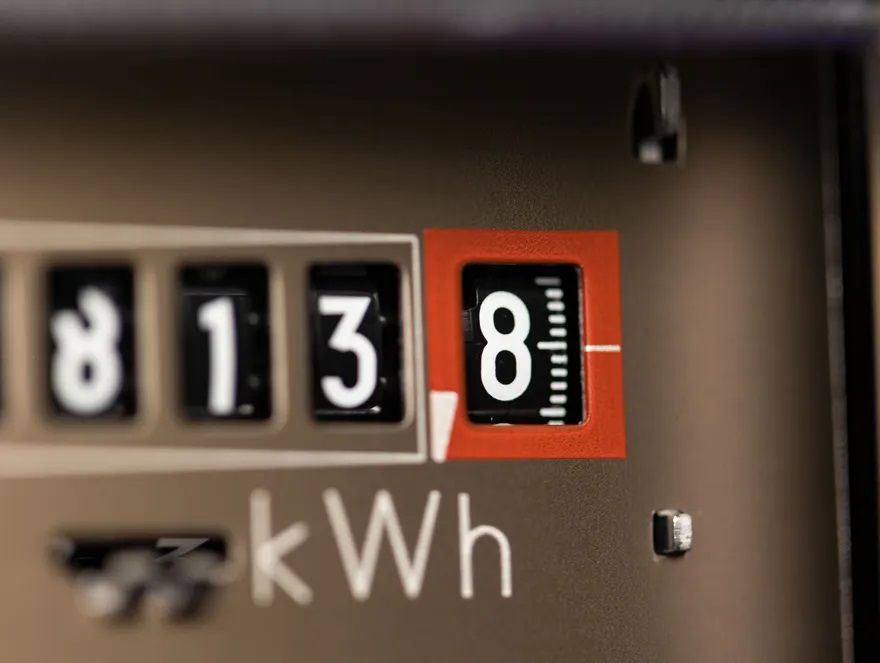
Energy may be hospitality’s most misunderstood cost. It’s essential, unavoidable and one of the few areas operators can still control. As the sector prepares for another year of rising costs and shifting expectations around sustainability, HES has released a new report offering one of the most comprehensive datasets on energy use in UK hospitality today. And with HES exhibiting at HRC 2026, we’re sharing their latest findings to give operators a head start.
Drawing on ESOS Phase 3 data from more than 12,000 hotels, restaurants, pubs, QSRs and leisure sites, the report paints a detailed picture of how the sector is consuming and managing energy – and where the biggest opportunities lie. The data shows that while overall emissions have risen with sector growth, individual sites are becoming far more efficient. Average emissions per pub, for example, have dropped by more than 68% since 2015, supported by improved equipment, operational changes and a cleaner electricity grid.
Yet the findings also highlight a widening gap between leaders and laggards. A third of hospitality businesses didn’t submit an ESOS action plan at all, and among those that did, the average reduction target was just 6.5%. At the other end of the spectrum, operators such as SSP, Hakkasan and Hall & Woodhouse are committing to reductions of 30–70%, proving what’s possible with focus, data-led decision making and behavioural change.
The report also breaks down energy use by subsector, revealing some striking contrasts. Hotels remain the most energy-intensive part of the industry by a significant margin, accounting for more than a quarter of total consumption. QSRs, by contrast, operate with far lower energy use per £1m turnover, thanks to newer sites, streamlined service models and higher sales densities.
Beyond the data, “Watt’s Cooking?” shares practical, operator-friendly guidance on where savings are most easily achieved—from kitchens and cellars to lighting, ventilation and heating. These include actions that can be implemented quickly and at little cost, supported by examples from top operators already seeing measurable results.
As hospitality businesses look ahead to HRC 2026, sustainability and efficiency continue to sit high on the agenda. This report offers an invaluable benchmark for operators of all sizes, providing the clarity, comparisons and direction needed to plan with confidence.
Want the full picture?
)
)
)
)
)
)
)
)
)
)
)
)
)
)
)
)
)
)
)
)
)
)
)
)
)
)
)
)

)
)
)
)
)
)
)
)
)
)
)
)
)
)
)
)
)
)
)
)
)

)
)
)
)